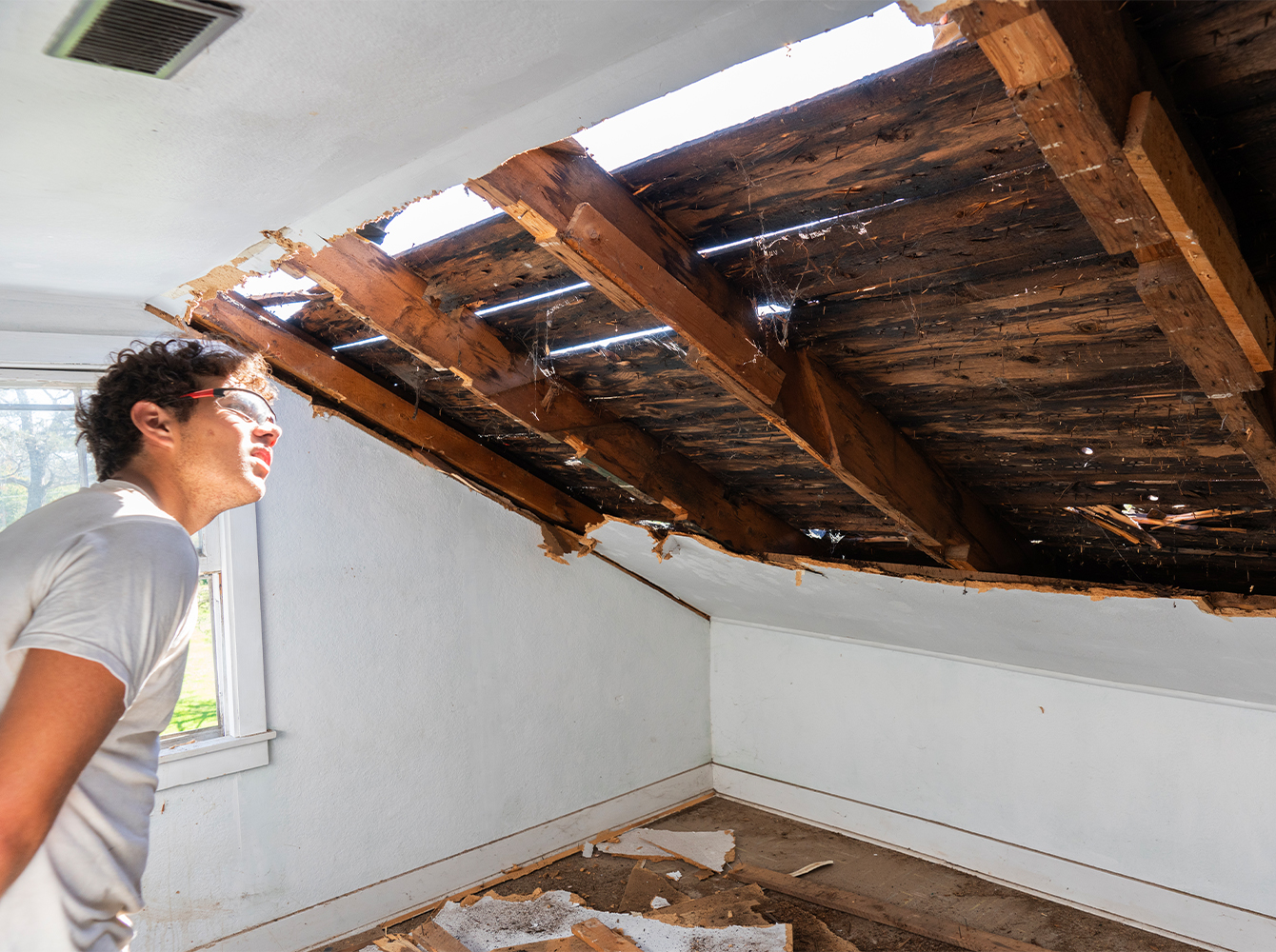
How insurance is shaping homeownership in 2026
- Coverage clarity
- Planning ahead
- Homeowners insurance

Owning a home in 2026 means juggling more than just mortgage payments. Between property taxes, maintenance costs and rising insurance premiums, the total cost of homeownership is higher—and more unpredictable—than many buyers expect. And while some markets are starting to stabilize according to our 2026 rate report, high-risk areas are still feeling the squeeze. The reason? Climate risk and reinsurance costs are changing the rules of home protection.
Let’s break down what’s happening, what’s changing, and what smart homeowners can do to stay covered and confident.
Why home insurance is increasing
It’s easy to think of insurance as a one-time checkbox on closing day, but in 2026, it’s a monthly reality that can strain your budget. While average home insurance premiums are rising more slowly than in years past (under 10% in most areas), that number jumps significantly in high-risk regions. Wildfire zones, hurricane coastlines and flood-prone areas are still seeing double-digit hikes.
Why? Because insurance companies are recalibrating. After years of underwriting losses, companies are now pricing policies based on true climate risk. Reinsurance, the insurance companies buy for themselves, is also more expensive, pushing retail premiums higher. If you live in a region exposed to severe weather, you’re paying more to reflect that exposure.
What to expect for 2026 rates
There’s some good news: Rate increases are leveling off in many areas. After a turbulent 2022–2024 stretch, 2025 brought a quieter storm season and fewer catastrophic losses. That’s allowed insurance companies to balance their books and ease off the gas a bit. Most regions are expected to see premium increases by less than 10% in 2026.
But that doesn’t mean every homeowner will feel relief. If your property is in a state with recent disaster declarations or wildfire claims, your personal risk profile could still trigger higher costs. It’s more important than ever to understand what’s influencing your home insurance rates and how to plan ahead.

Rest easy with the right homeowners insurance
Flood insurance realities
Flood insurance used to be a niche product, something lenders required in obvious high-risk zones. Not anymore. In 2026, more buyers are discovering that flood risk isn’t limited to the coast or riverside. Updated FEMA flood maps and shifting weather patterns mean more properties fall into designated flood zones. Now all homeowners need to consider adding flood coverage to their homeowners insurance.
And premiums are climbing. Many flood policies now cost 10% or more than they did a year ago, especially for homes newly added to flood zones. If you’re buying a home or refinancing, pay close attention to flood insurance requirements and be prepared to budget for them. Even homes outside official flood areas may benefit from coverage.
Homeownership affordability
Mortgage rates may have stabilized around 6%, but that’s still higher than many homebuyers are comfortable with. And when you factor in rising homeowners insurance premiums, monthly housing costs still stretch many budgets. Not to mention the increased costs that we’re all facing at the grocery store, gas station and elsewhere around town. In high-risk markets, the combination of elevated rates and insurance requirements can make a once-affordable property just out of reach.
This is especially true in places prone to wildfires, hurricanes or inland flooding. Lenders may require higher limits or additional policies, like wind or flood coverage, adding to your total monthly bill. Homeowners in lower-risk regions, however, are starting to benefit from improved underwriting results.
New buyers and digital tools
First-time homebuyers are facing the toughest entry conditions in decades. High prices, limited inventory, and insurance hurdles make it difficult to find the right place. But digital tools are helping level the playing field.
Many mortgage platforms now offer embedded insurance solutions, allowing buyers to compare and bind policies during the homebuying process. These tools not only save time, they help first-time buyers see the full picture of what they’re signing up for. A policy that looks cheap on paper may carry high deductibles or limited coverage. That’s why getting expert guidance upfront matters.
What homeowners can do now
Even in a high-cost market, you still have control. The choices you make about your coverage today can protect your home — and your wallet — tomorrow. Here’s what to focus on:
- Review your current policy — Make sure your dwelling limit matches today’s rebuilding costs, not just what you paid for the home.
- Look at your renewal documentation — If you’ve been notified that your premiums are increasing by more than our projected 10%, it’s a great time to call us for new quotes.
- Understand regional risk — Know whether you’re in a fire, flood or wind-prone zone, and how that affects your insurance requirements.
- Bundle for savings — Pairing home and auto coverage can sometimes unlock discounts or improve service during claims.
- Ask about mitigation — Installing shutters, fire-resistant roofing or water sensors may help reduce your premiums.
- Talk to an advisor – A VIU by HUB expert can walk you through your options, from supplemental flood policies to higher liability limits.
Planning ahead doesn’t just save you money—it gives you peace of mind. Whether you’re buying your first home or protecting the one you’ve loved for years, smart insurance decisions today mean fewer surprises tomorrow.
You’ll be glad you checked.
A panoramic outlook on
all things insurance
The VIU Point is here to help you make sense of it all, so you can confidently compare auto insurance quotes and make the best policy decisions.